Cantini Mosaic Reconceptualization
Cantini Mosaic Reconceptualization
Cantini Mosaic Reconceptualization
How do you find a new home for a 60-year-old work of public art — and keep faith with the artist's original intent? Very carefully, and with the whole community at the table.
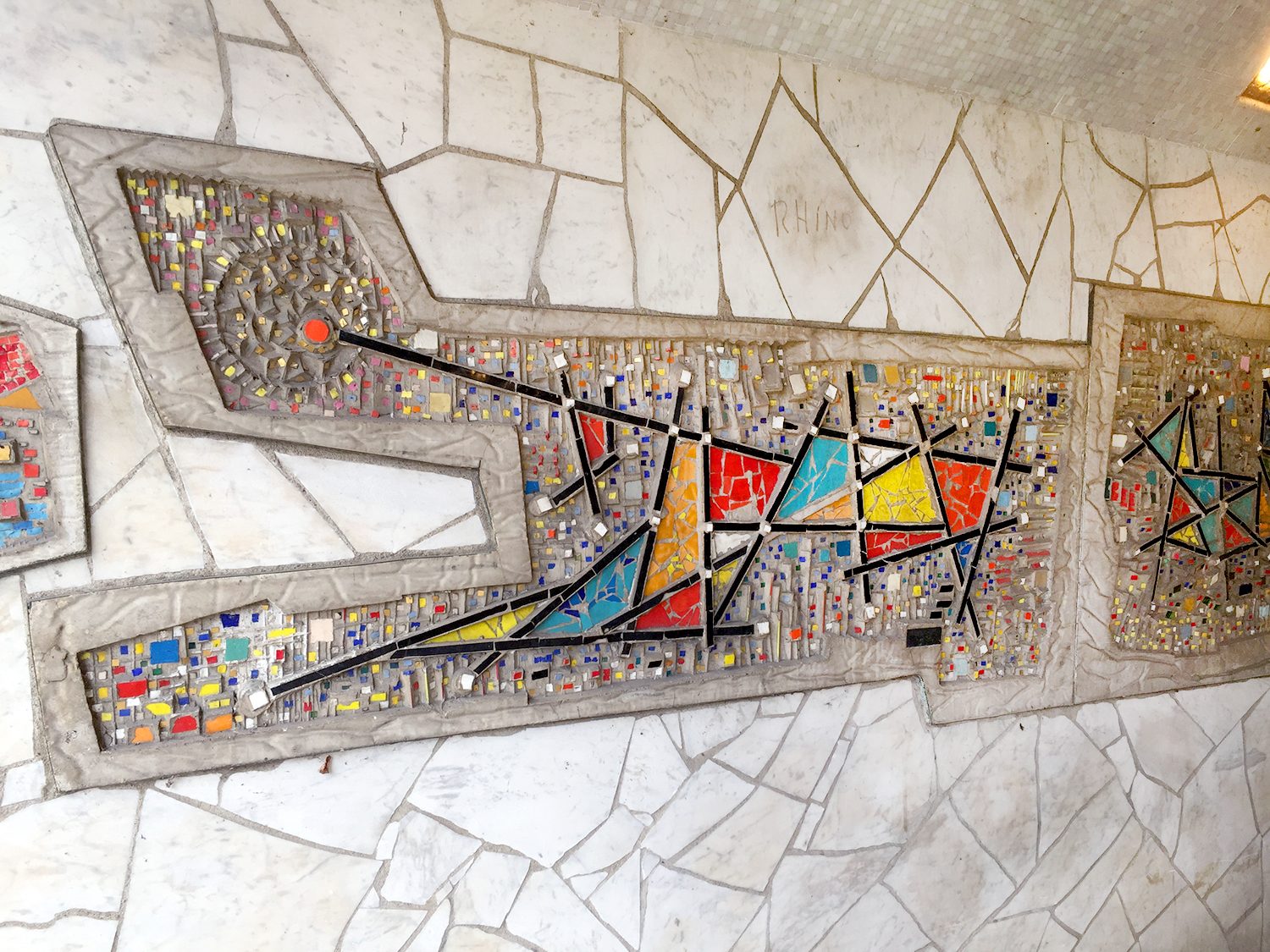
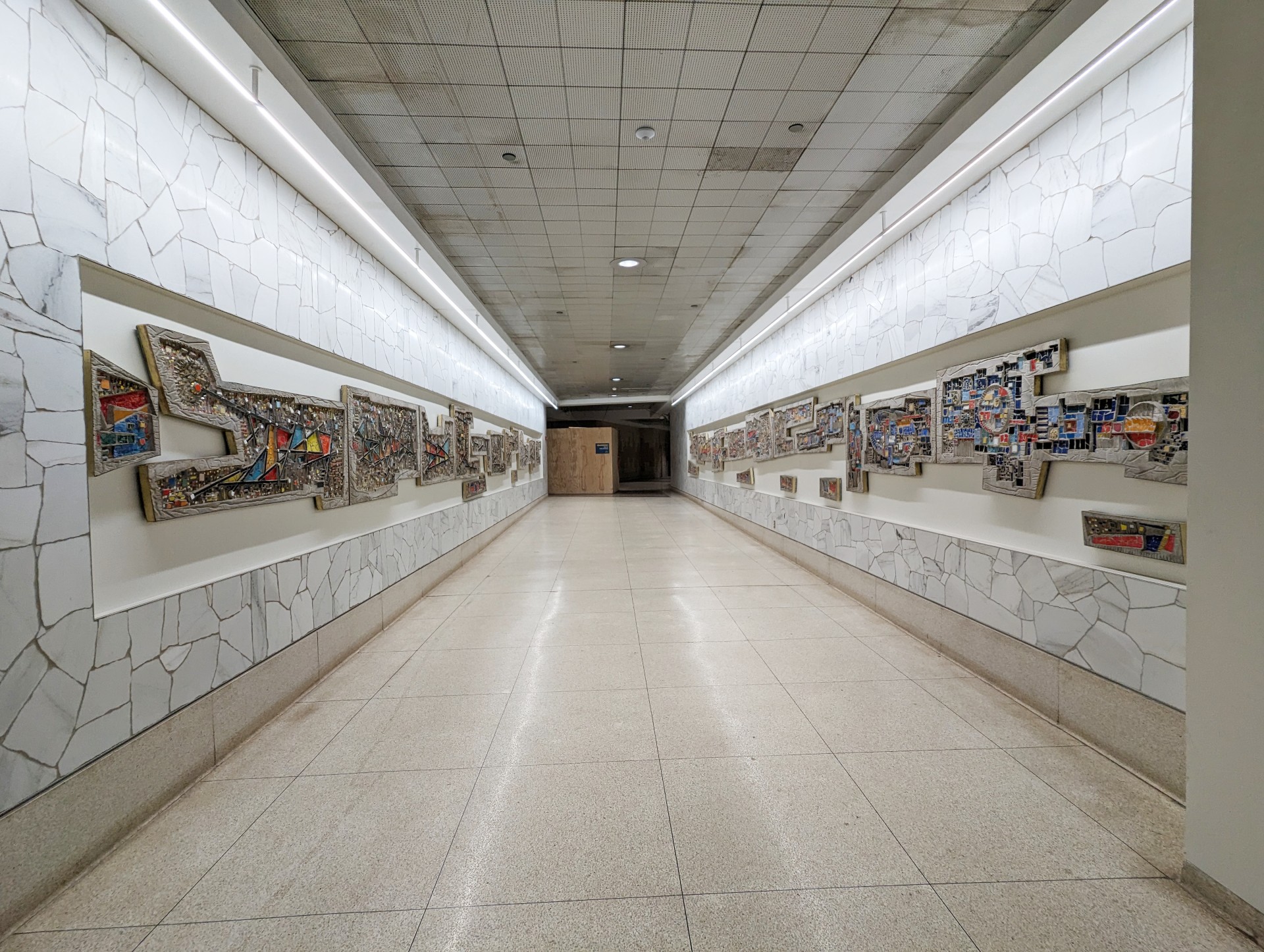
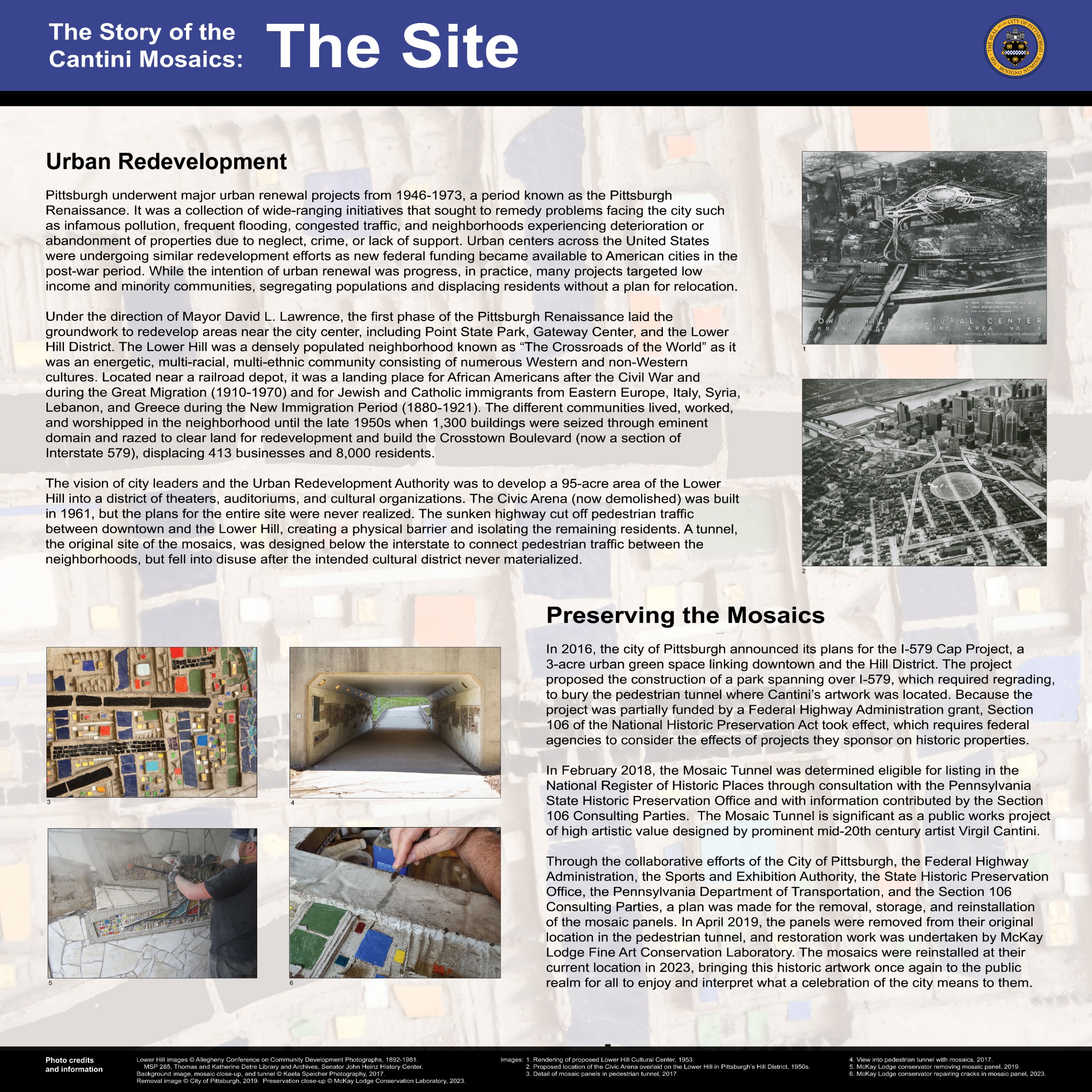
The Cantini Mosaic, created by Pittsburgh artist Virgil Cantini in 1964, consists of 28 abstract sculptural mosaic panels — designed as two sections of 14, made of cast concrete and glass tiles, and intentionally installed in a deliberate order for people passing through in either direction of the pedestrian underpass beneath Bigelow Boulevard. Commissioned by the Urban Redevelopment Authority as part of the Lower Hill Redevelopment program, the mosaic stood for over five decades — until the I-579 “Cap” project, now Frankie Pace Park, made its home unviable. A Section 106 consultation determined the mosaic eligible for the National Register of Historic Places, and a Programmatic Agreement required its reinstallation in a new location by the end of 2024. In late 2020, the City of Pittsburgh engaged EHI to facilitate the reconceptualization.
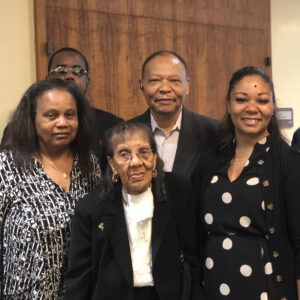
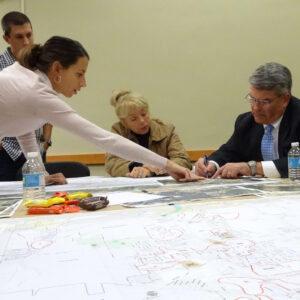
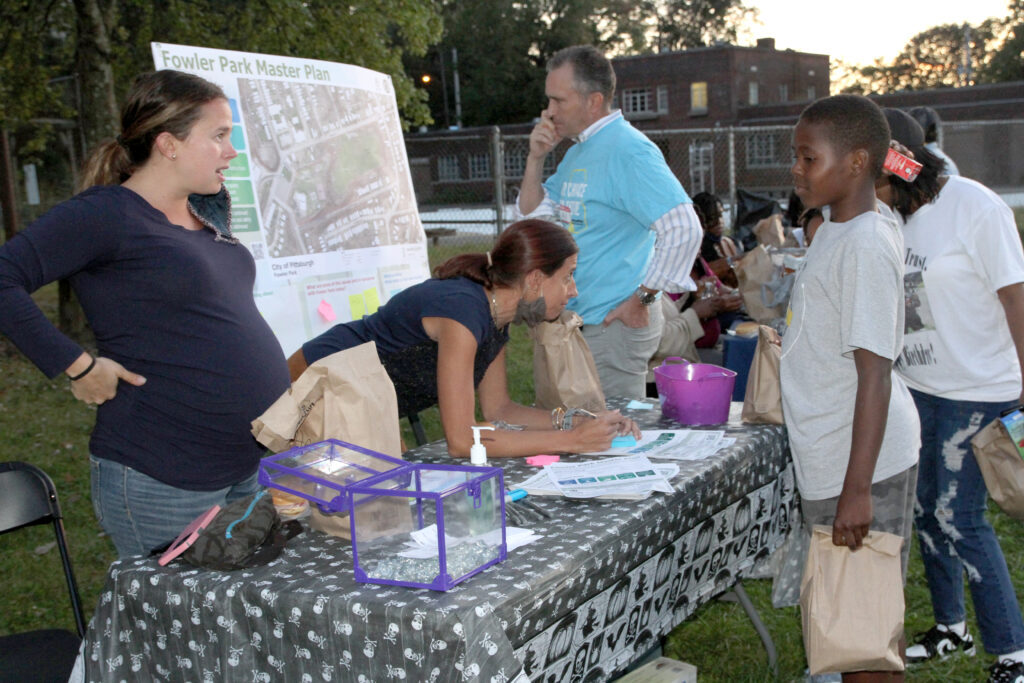
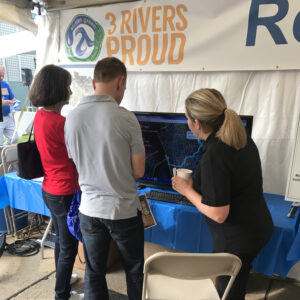
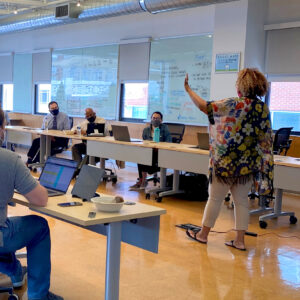
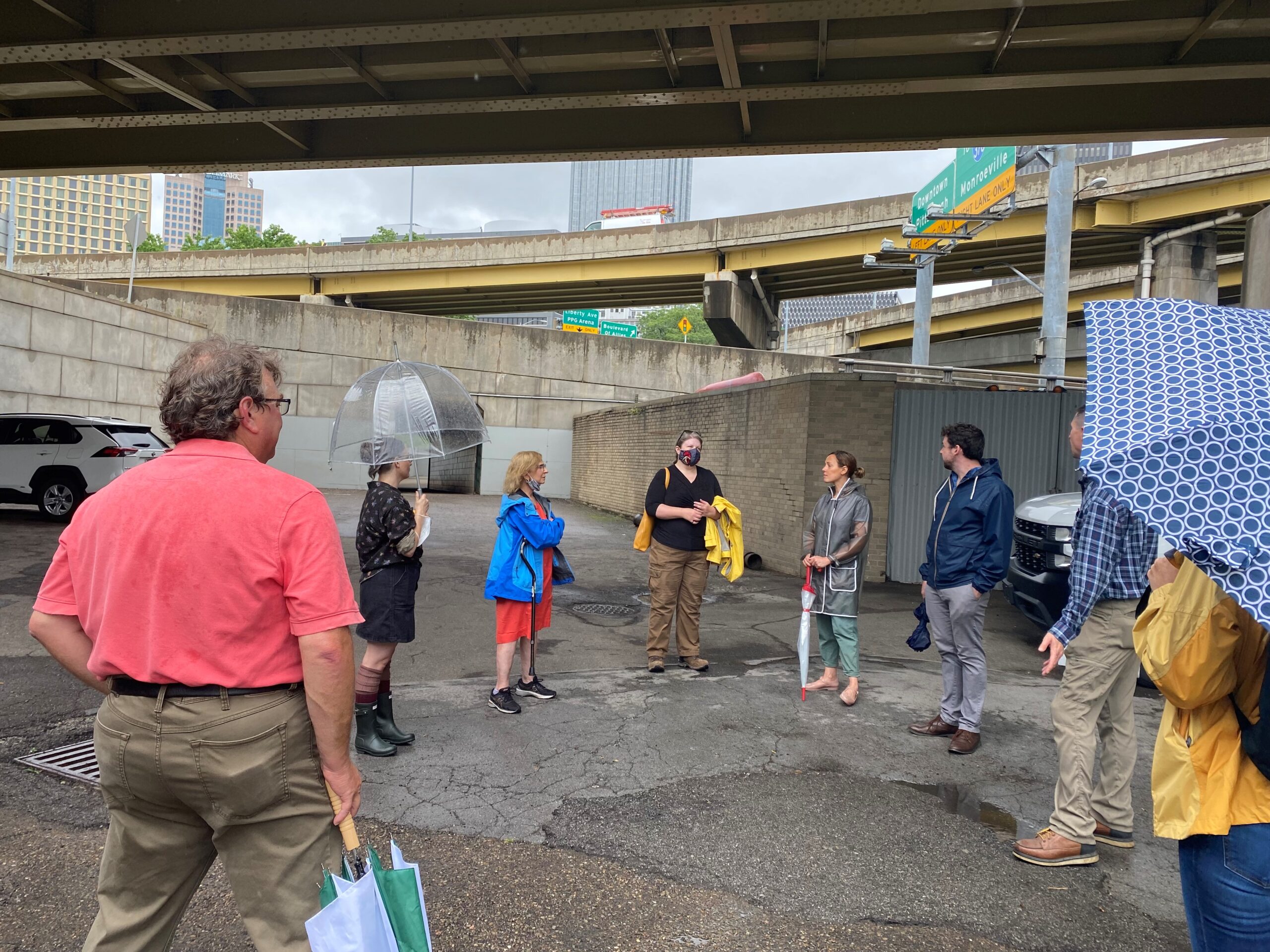
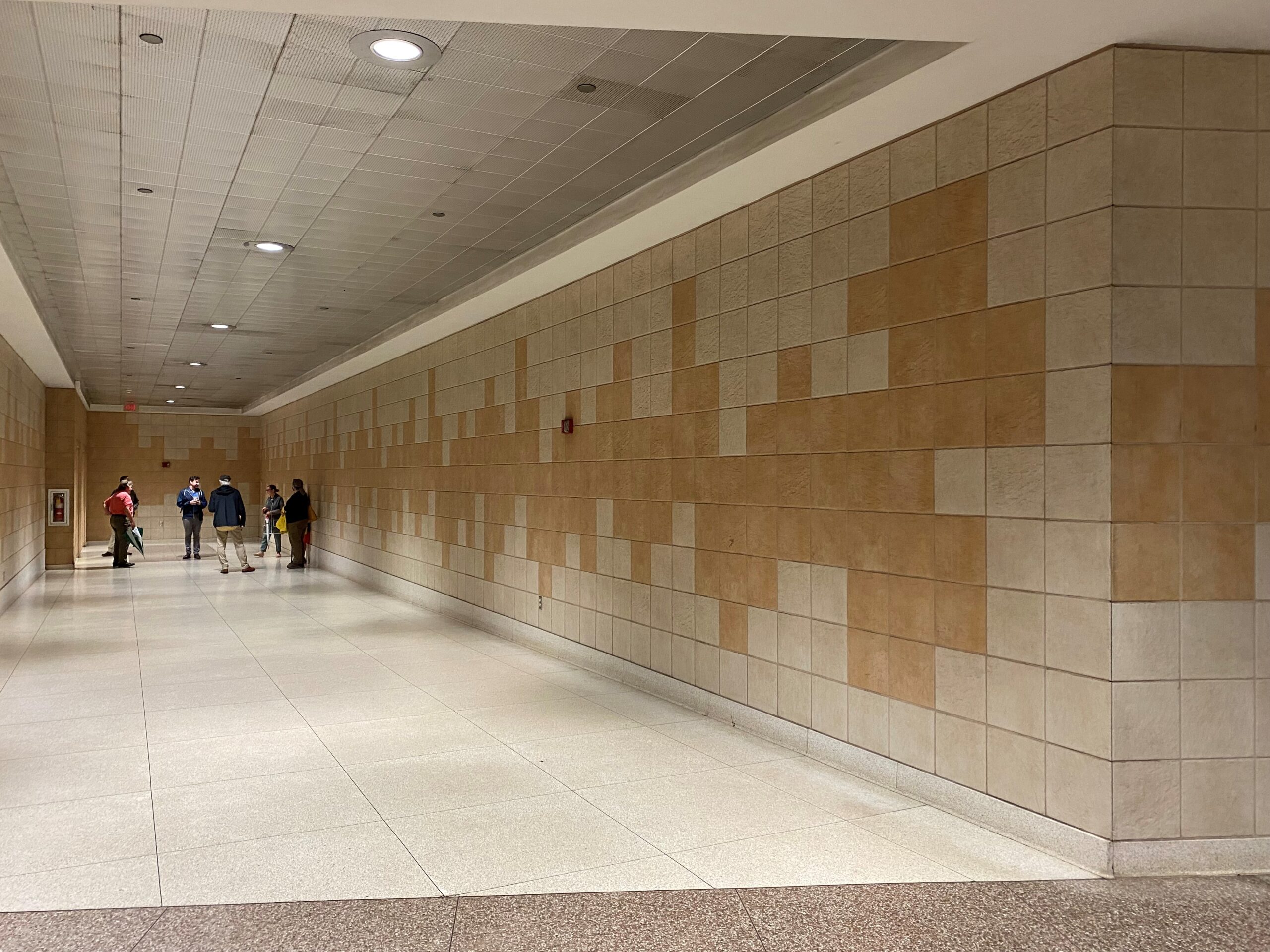
EHI’s work centered on finding a location worthy of the artwork. Working with key stakeholders representing the Section 106 Consulting Parties — and alongside subconsultants McKay Lodge Conservation Laboratory and Jessica Gaynelle Moss — our team identified and evaluated potential sites against the established criteria of the Character Defining Features Document. Over six months, EHI met with community organizations and stakeholders, surveyed more than 100 interested parties, coordinated multiple site visits, and held a public meeting to gather feedback on proposed locations.
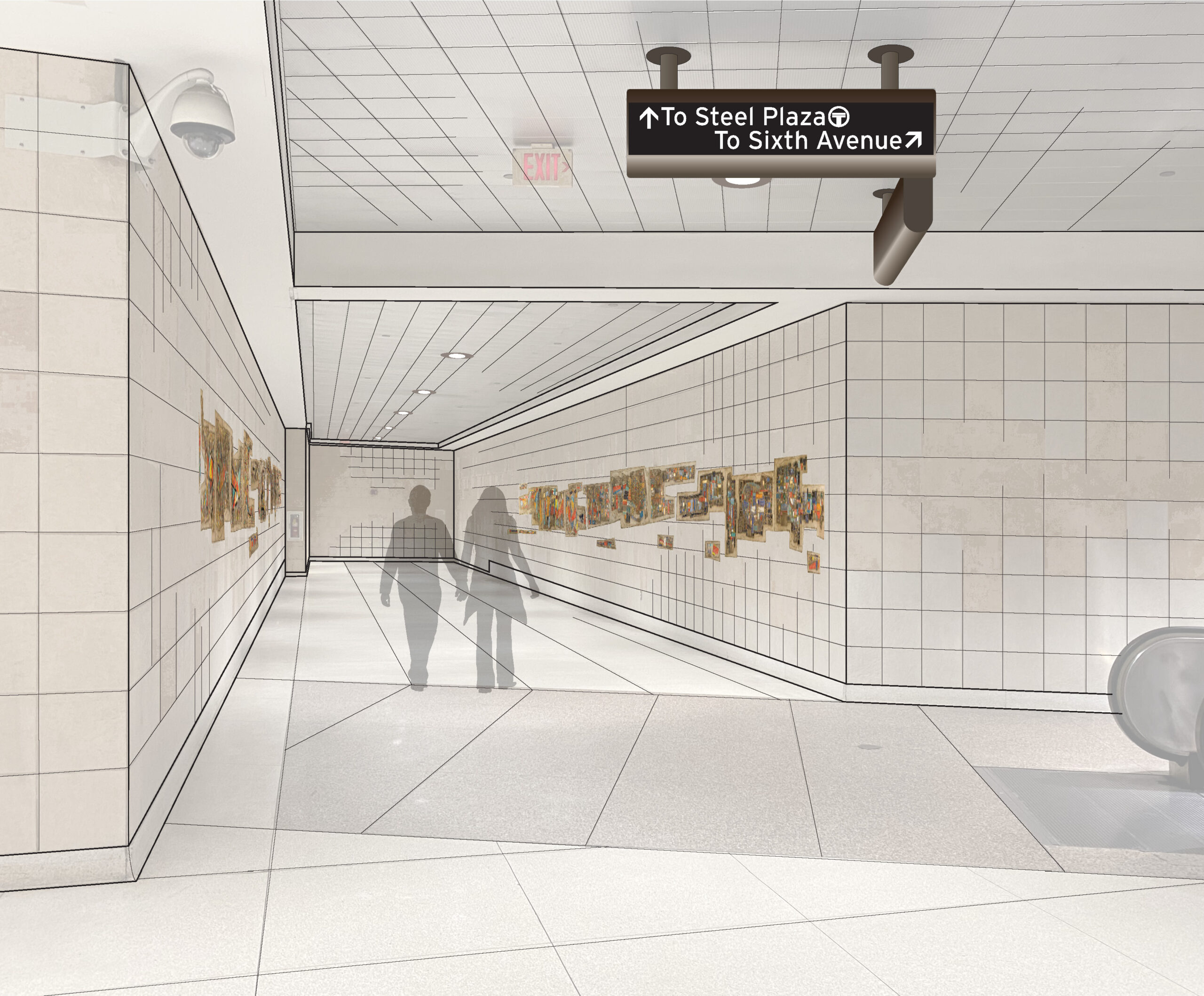
The final plan gave the City everything it needed to decide: a summary of the process, an evaluation matrix of candidate locations, and a detailed analysis of three priority sites — each with renderings depicting the mosaic reconceptualized in the space, design intent and style guidelines, lighting considerations, and opinions of probable cost.
The City used EHI’s plan to select the final location, and in February 2024, the Cantini Mosaic was successfully reinstalled at the Steel Plaza T Station — back in public view, where Virgil Cantini always intended it to be.
Public art belongs to the public. EHI’s community-driven process made sure the public decided where this piece of Pittsburgh’s history lives next.
CLIENT:
City of Pittsburgh
LOCATION:
City of Pittsburgh
SERVICES:
Community Engagement
• Visioning Workshops
• Stakeholder Coordination
• Community Outreach
Planning & Design
• Relocation Research & Recommendations
• Cost Analysis
• Reinstallation Feasibility Study